
Participants
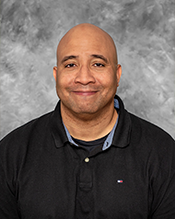
Neel Aziz
Neel Aziz is an associate professor of avian pathology at the College of Veterinary Medicine. His work focuses on poultry diseases, including viral diseases affecting Georgia’s poultry industry. Aziz performs postmortem and histopathology examinations on poultry samples submitted to the Poultry Diagnostic and Research Center, providing diagnoses that help farmers and production facilities produce healthy birds. His lab researches infectious diseases in poultry, and he teaches and mentors graduate students in poultry diseases. Before joining the University of Georgia, Aziz served as a foreign service officer with USAID. He earned his bachelor’s degree in biology from Rowan University and his doctor of veterinary medicine from Tuskegee University, and he became certified by the American College of Veterinary Pathologists in 2008. A native New Yorker from the Bronx, Aziz most recently lived in Washington, D.C. Outside of work, he enjoys spending time with his fiancée, bird watching, traveling in cities, playing Xbox, and exercising.
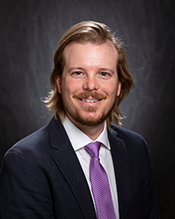
Aaron Bivins
Aaron Bivins is an assistant professor at the College of Public Health with a dual appointment in the College of Engineering. As a public health engineer, his research focuses on mitigating infectious diseases through engineering design and policy. His interests include microbial water quality and human health, the microbiome of the built environment, and environmental epidemiology. Before joining the University of Georgia, Bivins was an assistant professor in the College of Engineering at Louisiana State University. He earned his bachelor’s and master’s degrees and Ph.D. in civil and environmental engineering from Georgia Tech. He is a licensed Professional Engineer in Georgia and a board-certified environmental engineer. Originally from Carrollton, Georgia, Bivins enjoys spending time outside with his wife, Katherine, and their two daughters.

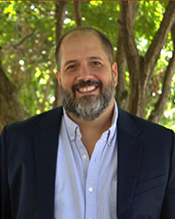
Nick Bradley
Nick Bradley is an economic impact specialist for UGA Extension in the College of Agricultural and Environmental Sciences. His research focuses on measuring the economic impacts of natural resource use and rural development across Georgia. In his teaching, he covers rural economic development and growth, as well as statistics for agribusiness, helping students apply economic tools to real-world challenges facing the state. Bradley is especially interested in supporting the Rural Scholars of Georgia and contributing to efforts that build economic opportunity and capacity in Georgia’s rural communities. Before joining the University of Georgia, he spent more than 10 years as a senior consultant, project manager, and primary economist at STAGG Resource Consultants, Inc., in Cross Lanes, West Virginia, where his work focused primarily on mining, minerals, and oil and gas. Bradley earned a bachelor’s degree in economics from West Virginia State University and a master’s degree in agricultural and resource economics from West Virginia University. He is pursuing a Ph.D. in applied economics at UGA. Originally from Dry Creek, West Virginia, he most recently lived in Charleston, West Virginia. He and his wife, Aylin, have two children, Neil and Talia. Bradley is a musician who plays bass guitar in two local Athens bands and is a huge fan of the Pittsburgh Steelers.
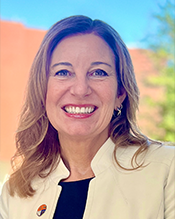
Jules Bruck
Jules Bruck is dean of the College of Environment + Design. Her work focuses on resilience strategies for coastal communities, large-scale nature-based infrastructure planning, and applied design. Before joining the University of Georgia, Bruck served as director of the School of Landscape Architecture and Planning and chair and professor of landscape architecture at the University of Florida. She was the founding director of the Landscape Architecture Program at the University of Delaware, which she established in 2016. In 2018, Bruck partnered with Delaware state agencies, faculty, and community members to launch the Coastal Resilience Design Studio (CRDS), an interdisciplinary academic initiative focused on designing resilience strategies for coastal communities. CRDS has earned national and state recognition for its impact, including catalyzing infrastructure investment, stimulating local economic development, and shaping land use policy. Bruck has served as principal investigator and co-principal investigator on projects funded by agencies including the U.S. Department of Defense, U.S. Army Corps of Engineers, USDA’s National Institute of Food and Agriculture, NOAA’s Sea Grant, and the Delaware Department of Transportation. A registered landscape architect, she teaches advanced design studios and courses in creativity, design process, and ecological planting design, and was elected to the Council of Fellows of the American Society of Landscape Architects in 2024.
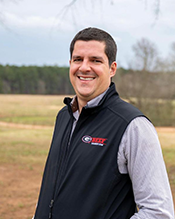
Pedro Henrique Vilela Carvalho
Pedro Carvalho is a beef extension specialist in the Department of Animal and Dairy Science at the College of Agricultural and Environmental Sciences. A ruminant nutritionist based at the UGA Tifton campus, his work focuses on improving beef cattle efficiency through practical management, nutrition, and health strategies across Georgia. Before joining the University of Georgia, Carvalho was an assistant professor and feedlot specialist with AgNext in the Department of Animal Science at Colorado State University, where he conducted applied research aimed at enhancing the efficiency and sustainability of beef cattle systems. He previously held a similar position at the Desert Research and Extension Center with the University of California, Davis, where his research focused on management and nutrition strategies to improve production of calf-fed dairy and beef-on-dairy steers. Originally from Goiás, Brazil, Carvalho earned his bachelor’s degree in animal science from the Federal University of Mato Grosso do Sul, his master’s degree in animal science from the University of Illinois Urbana-Champaign, and his Ph.D. in animal science from Pennsylvania State University. He was born and raised on a cattle and crop farm in Brazil and grew up wanting to be a soccer player.

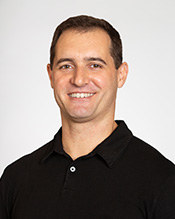
Brandon Charles
Brandon Charles is an assistant professor of public administration and policy at the School of Public and International Affairs. His research focuses on energy policy and governance, including the local impacts of energy resource development. His current projects examine the accumulation of municipal debt during the U.S. shale boom and its future fiscal implications, regulatory policymaking at state public utility commissions, and the relationship between complexity in policy design and policy outputs. His work draws on theories from environmental economics, public finance, and policy process fields. Charles recently completed his Ph.D. in public administration at Syracuse University. Before beginning graduate study, he worked for more than a decade in the utility industry, including consulting for public- and private-sector clients and serving as an expert witness in public utility commission proceedings. Originally from just outside Syracuse, New York, he is excited to settle into Athens with his wife and two cats and to explore Georgia.
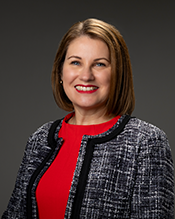
Carolyn Clevenger
Carolyn Clevenger is founding dean and professor of the Victoria Kay Ivester School of Nursing. Her research focuses on the gerontological nurse practitioner workforce, psychoeducation programs for dementia family caregivers, and innovative models of dementia care. Clevenger is the founder of Integrated Memory Care, a nurse-led primary care practice for people living with dementia in both clinic and community settings. The model has been recognized as a Patient-Centered Medical Home, an Age-Friendly Health System, and a GUIDE (Guiding an Improved Dementia Experience) practice, and Clevenger holds the American Academy of Nursing Edge Runner designation for her work founding it. She has led or collaborated on psychoeducation programs for dementia family caregivers, including Tele-Savvy Caregiver, Caregiving During Crisis, Caregiving While Black, and Caregiver Boot Camp. A fellow of the American Association of Nurse Practitioners, Gerontological Society of America, and American Academy of Nursing, Clevenger earned her BSN from West Virginia University, her MSN from Emory University, and her DNP from the Medical College of Georgia.

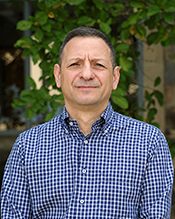
Vincenzo Cribari
Vincenzo Cribari is an assistant professor in landscape architecture and planning at the College of Environment and Design. His work focuses on landscape and land-change processes, landscape characterization and assessment, ecosystem services and social-ecological systems, urban, regional, and ecological planning and design, sustainability, GIS, remote sensing, and spatial analysis. Before joining the University of Georgia, Cribari was a visiting professor in the School of Design at Virginia Tech, where he taught courses in land analysis and GIS, as well as final design studios focused on coastal resilience in the Hampton Roads region. He previously served as a visiting assistant professor of landscape architecture at West Virginia University and as a research fellow and instructor at the University of Trento in Italy. His professional and academic work in Italy included studies for the redevelopment of brownfields, industrial and mixed-industrial areas, mobility, and infrastructure design, with an emphasis on the relationship between the built environment and open, natural spaces. Cribari earned a master’s degree in architecture from the University of Florence and a Ph.D. in human and community development, along with a graduate certificate in GIS and spatial analysis, from West Virginia University. He has been a registered landscape architect, urban planner, and architect in Italy since 2003. Outside of work, he enjoys playing guitar, especially studying jazz guitar, as well as traveling, walking, and exploring new places.

Jennifer Duck
Jennifer Duck is a clinical associate professor at the Grady College of Journalism and Mass Communication, where she specializes in community journalism, academic-industry collaborations, and the impact of social media on news and public understanding. Her academic research focuses on online disinformation and the role of media in bridging divides within polarized environments. A two-time national Emmy-winning journalist and educator, her work bridges community journalism and academic research through experiential learning. Before joining the University of Georgia, Duck produced news and long-form content for ABC and CNN and worked as a reporter and multimedia journalist for ABC News. She also was a producer with Anderson Cooper, Katie Couric, and Oprah Winfrey. At ABC, Duck traveled aboard Air Force One as the sole TV pool reporter during several historic visits, including President George W. Bush and President Vladimir Putin’s final meeting in Sochi, Russia, and President Bush and Ukrainian President Viktor Yushchenko’s final meeting in Kyiv. She was also an embedded multimedia journalist on the Obama and McCain presidential campaigns, reporting across ABC’s digital and broadcast platforms. She continues to write, edit, and produce podcasts, feature stories, and documentaries in collaboration with her students, whose work has been recognized by the Associated Press and NPR and featured on PBS, the Documentary Channel, and at international film festivals. Duck earned her Ph.D. in rhetoric, communication, and information design from Clemson University, her master’s degree in mass communication from Murray State University, and her bachelor’s degree in mass communication from Miami University.

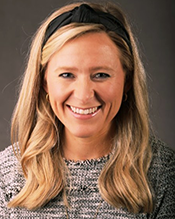
Amanda Fishman
Amanda Fishman oversees the Office of Parent and Family Engagement, which was established within the Division of Student Affairs in 2024. A student affairs professional, she is dedicated to fostering meaningful connections, leadership development, and holistic student success. In her role, Fishman builds pathways that empower students while meaningfully connecting families to the UGA and Athens communities in supportive and engaging ways. She brings experience across campuses and national organizations in mentoring emerging leaders, coaching recruitment and engagement strategies, and cultivating inclusive environments. Through her career and volunteer involvement, Fishman continues to champion collaboration and lifelong learning, helping students and families feel seen, supported, and prepared to thrive on campus and beyond. Prior to coming to the University of Georgia, she worked in fraternity/sorority life at Georgia Tech, before becoming the director of education and programs for the executive office of Alpha Delta Pi, leading chapter services, communication, education, and programming support for more than 150 chapters across the country. Fishman holds a master’s degree in higher education administration from Auburn University and a bachelor’s degree in integrative health sciences from Stetson University. A native Floridian with Ohio roots, she enjoys DIY projects and is the proud mom of her dog, Walt.
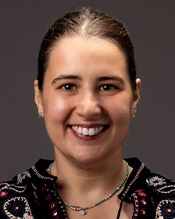
Guher Gorgun
Guher Gorgun is an assistant professor of measurement, data science, and statistics in the Department of Educational Psychology at the Mary Frances Early College of Education. Her research sits at the intersection of psychometrics, learning sciences, and artificial intelligence, with a focus on building learning and assessment systems that are adaptive, fair, reliable, and effective for all learners. She is particularly interested in how computational approaches can deepen our understanding of learner behavior and enable more personalized assessment experiences. By integrating psychometrics with data mining, machine learning, and natural language processing, she develops new methodologies for understanding how students learn and for improving the tools used to assess them. Gorgun’s path has taken her through both academia and industry in international settings, an experience that shapes her commitment to grounding research in real-world application. Her broader goal is to design AI-powered, human-centered assessment methods that are theoretically rigorous while remaining practical and scalable enough for real classrooms and educational systems. Outside of work, she loves traveling and discovering new places and enjoys swimming, cycling, and yoga.
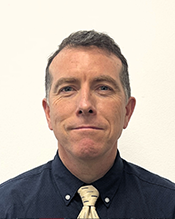
Glenn Jackson
Glenn Jackson is director of University Research Animal Resources at the Office of Research, where he oversees vivarium management, husbandry, and clinical care of research and teaching animals. His responsibilities also include researcher support and advisement on research projects involving animals, protocol review, and facility inspection. As a faculty member in the College of Veterinary Medicine’s Department of Population Health, Jackson participates in student instruction and mentoring. He particularly enjoys helping others succeed and finding new ways to improve operational efficiency. Originally from California, Jackson gradually migrated east, with stops in Oregon, Nebraska, Missouri, and New York before joining the University of Georgia. Outside of work, he enjoys reading, especially to his large brood of children, as well as baking, yard work, and soccer.
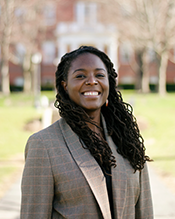
Aja Kennedy
Aja Kennedy is an applied economist at the Carl Vinson Institute of Government, where she conducts tax policy analysis and other applied research projects in service to state and local government agencies in Georgia. Before joining the Institute of Government, Kennedy was a research fellow at the Boston Foundation, where she authored reports on housing policy in the Greater Boston area. She also served for four years as a diplomat with the U.S. Department of State. Kennedy earned a Ph.D. in economics and public policy from Tufts University, a master’s degree in public administration from Princeton University, and a bachelor’s degree from the University of North Carolina at Chapel Hill. Originally from Charlotte, North Carolina, she enjoys yoga, knitting, and crocheting in her free time.
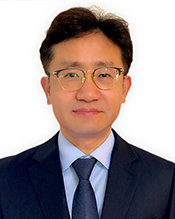
DuckBong Kim
DuckBong Kim is an associate professor in the School of Environmental, Civil, Agricultural and Mechanical Engineering at the College of Engineering and director of the Physical AI in Smart Manufacturing Lab. His research spans additive manufacturing, smart manufacturing, digital twins, physical AI, cyber-physical systems, and humanoid robotics for Industry 5.0. His recent work explores autonomous manufacturing systems, digital twin-driven production, and humanoid robot-enabled lightness and de-urbanized factories. Before joining the University of Georgia, Kim was an associate professor at Tennessee Technological University and a guest researcher at the National Institute of Standards and Technology. He is a recipient of the NSF CAREER Award. Kim earned his bachelor’s degree in mechanical engineering from Chonnam National University and his master’s degree and Ph.D. from the Gwangju Institute of Science and Technology in South Korea.
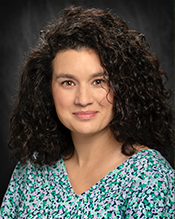
Lauren Lazaro
Lauren Lazaro is the extension precision agriculture specialist for row crops with UGA Extension in the College of Agricultural and Environmental Sciences. Based at the UGA Tifton campus, she develops extension and applied research programs focused on precision agriculture technologies that improve the efficiency, profitability, and sustainability of crop production systems across Georgia. Lazaro works closely with county extension agents, growers, industry partners, and researchers to deliver science-based solutions that address production challenges and support informed decision-making. Before joining the University of Georgia, she conducted research on precision agriculture, weed science, and crop production systems. Outside of work, Lazaro enjoys spending time with family and exploring the outdoors.
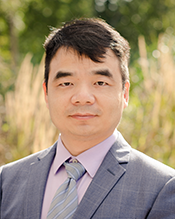
Tao Liu
Tao Liu is an assistant professor at the Warnell School of Forestry and Natural Resources. His work focuses on remote sensing, photogrammetry, and geospatial machine learning, using UAV-LiDAR and hyperspectral imaging to study forests. He applies deep learning and artificial intelligence to forest inventory, forest health, biomass, and wildfire risk, with particular interest in Georgia’s pine forests and working timberlands. Before joining the University of Georgia in 2025, Liu was a tenure-track assistant professor at Michigan Technological University and previously served as a postdoctoral researcher at Oak Ridge National Laboratory. He earned his Ph.D. in geomatics from the University of Florida. Originally from China, Liu enjoys playing table tennis and badminton in his free time.
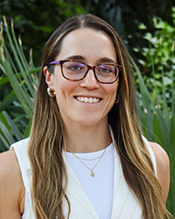
Emma Neigel
Emma Neigel is director of science and conservation at the State Botanical Garden of Georgia. In this role, she leads the conservation department by setting strategic priorities, guiding research and conservation initiatives, securing funding, managing staff, and collaborating with partners. She also teaches conservation horticulture courses in the Department of Horticulture at the College of Agricultural and Environmental Sciences. Neigel recently completed a Ph.D. in biosystems and biodiversity, with a major in ecology, at the University of Lethbridge in Alberta, Canada. Her doctoral research focused on conservation translocations and establishing new populations of rare plants in the Carolinian forests of Southern Ontario. She previously worked with the conservation team at the Atlanta Botanical Garden as safeguarding nursery coordinator and conservation horticulturist in Gainesville, Georgia, where she developed a passion for rare plant conservation through her work with the Georgia Plant Conservation Alliance. Neigel earned both her bachelor’s and master’s degrees in horticulture from Mississippi State University, where she also competed in track and field. Her master’s thesis focused on mapping butterfly milkweed habitat using geospatial software. Growing up, her love for plants first took root while gardening alongside her mother, and she expanded her horticultural experience through internships at Callaway Gardens in Pine Mountain, Georgia, and the National Tropical Botanical Garden in Hawaii.
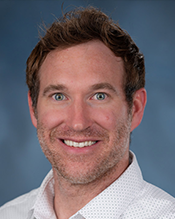
Josh Novak
Josh Novak is an associate professor in the Department of Human Development and Family Science at the College of Family and Consumer Sciences. His research focuses on the intersection of couple relationships and health, including chronic illness management, health behavior engagement, and bioregulation in areas such as sleep, nutrition, and exercise. His work emphasizes the role of family relationships as a central context for health behavior change and well-being, with particular attention to dyadic and family-level mechanisms shaping health behavior and disease adjustment. Novak’s interdisciplinary research program integrates family systems theory with health and social psychology, behavioral medicine, and public health, and involves collaboration with scholars in nutrition, exercise science, pharmacy, nursing, and psychology. Before joining the University of Georgia, he was an associate professor of human development and family sciences at Auburn University, where he directed the Relationships and Health Lab. Novak earned his master’s degree in marriage and family therapy from Texas Tech University, his Ph.D. from Brigham Young University, and completed postdoctoral training at Kansas State University. His work has been published in journals including Journal of Sleep Research, Health Psychology, Journal of Social and Personal Relationships, and Family Relations. Originally from St. John, Indiana, he enjoys gardening and homesteading, cycling, and cooking.
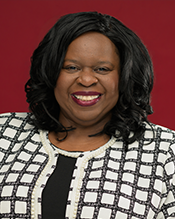
Sharon Parker
Sharon Parker is an associate professor, director of program development, and director of graduate studies for the Online MSW and Gwinnett MSW programs at the School of Social Work. In her program development role, she provides leadership across undergraduate and graduate education, with a focus on curriculum innovation, accreditation support, strategic planning, student-centered academic pathways, and workforce-responsive program growth. Parker brings extensive experience as a faculty member, administrator, mentor, and community-engaged scholar. Before joining the University of Georgia, she served in faculty and administrative leadership roles at North Carolina Agricultural and Technical State University. Her scholarship focuses on health equity, HIV prevention, women’s health, incarceration and reentry, and structural inequities affecting underserved communities. She is especially interested in advancing partnerships that improve health outcomes in rural communities, expand access to education and services, and strengthen community well-being across Georgia. Across her work, Parker is committed to preparing future social work leaders who can respond to complex social and health challenges.
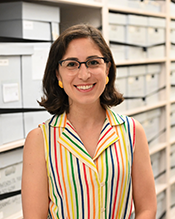
Danielle Raad
Danielle Raad is an assistant professor of history and museum studies at the Franklin College of Arts and Sciences. A public historian, anthropologist, archaeologist, and curator, her work focuses on how people in the present make meaning from the material culture of the past, including art, artifacts, and historic sites. Raad is the author of “Above the Oxbow: Stories Entangled with a Mountain,” published in West Virginia University Press in 2026. The book explores place attachment on Mount Holyoke in western Massachusetts and examines how visitors over two centuries have forged relationships with the mountain through historic narratives, material culture, and collective, family, and personal memory. Before joining the University of Georgia, Raad was curator and assistant director of the Stanford University Archaeology Collections and the Cullman-Payson Postdoctoral Fellow in Academic Affairs and Outreach at the Yale University Art Gallery. She has also worked as an academic advisor, study abroad coordinator, community college chemistry instructor, and high school physics teacher. Raad primarily teaches courses in the Museum Studies Program.
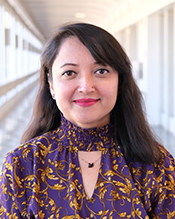
Smita Rawal
Smita Rawal is an assistant professor in the Department of Clinical and Administrative Pharmacy at the College of Pharmacy. Her research focuses on improving health care delivery through community pharmacy services, with an emphasis on opioid overdose prevention, opioid use disorder treatment, medication access, and the implementation of evidence-based health programs in community settings. Rawal uses qualitative, quantitative, and implementation science methods to refine and evaluate pharmacy-based interventions. Her research, teaching, and service activities are closely aligned with the health needs of Georgia communities. She has worked with the University of Georgia Archway Partnership for several years to conduct community health needs assessments for rural hospitals across Georgia and collaborates with Family and Consumer Sciences and UGA Extension professionals to develop and evaluate community-based programs that increase awareness of opioid safety and related health topics. Before joining UGA, Rawal completed her Ph.D. and postdoctoral training in pharmaceutical and health services research at UGA. She also holds a Doctor of Pharmacy degree and worked as a medical science liaison before pursuing an academic career. Outside of work, Rawal enjoys spending time with her family, traveling, exploring food, nutrition, and wellness, and watching movies.
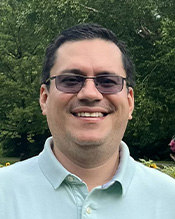
Hector Restrepo
Hector Restrepo is an assistant professor of natural capital economics at the Warnell School of Forestry and Natural Resources. His work focuses on the ecosystem services provided by working forests in Georgia and the southeastern United States. His research, teaching, and extension interests include biometrics, forest carbon, remote sensing, operations research, artificial intelligence, bioenergy, ecosystem services, timber market analysis, financial risk, and forest economics. Before joining the University of Georgia, Restrepo was a senior research scientist at the National Council for Air and Stream Improvement, Inc. He earned a Ph.D. in forestry and natural resources and a master’s degree in statistics from UGA, as well as a master’s degree in forestry and environmental conservation and a bachelor’s degree in forest engineering from the National University of Colombia. He also holds a master’s degree in corporate finance from the Engineering School of Antioquia in Colombia. Originally from Andes, Colombia, Restrepo enjoys hiking and other outdoor activities, cooking, and reading. His wife, Adriana, is a UGA alumna, and his daughter, Sofia, will graduate from North Carolina State University in December with a degree in statistics.
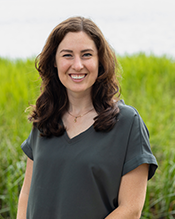
Celeste Rivenbark
Celeste Rivenbark is a marine educator at the Marine Education Center and Aquarium, where she coordinates the Marine Education Fellowship Program as part of Marine Extension and Georgia Sea Grant. She instructs field, boat, and laboratory programs and mentors early career professionals as a marine education faculty member. Rivenbark builds on years of experience instructing programs on the Georgia and Alabama coasts, managing educational initiatives, building community partnerships, and fostering growth and development for early career professionals. She holds a master’s degree in biology from Miami University and a bachelor’s degree in wildlife ecology and management from Auburn University. Originally from Fairhope, Alabama, Rivenbark grew up on the shores of Mobile Bay. In her free time, she enjoys traveling, sipping coffee at local bookstores, taking her dog for walks, and exploring the Georgia islands. She is passionate about sharing the wonders of the coast with others and inspiring curiosity and stewardship for the natural world.
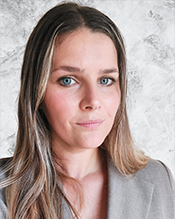
Leonor Sicalo-Gianechini
Leonor Sicalo-Gianechini is an assistant professor in the Department of Infectious Diseases at the College of Veterinary Medicine. Her research focuses on gastrointestinal parasites of livestock, with an emphasis on anthelmintic resistance, parasite population genomics, and the development of high-throughput phenotyping and diagnostic tools. Her work integrates field studies, laboratory assays, and genomic approaches to improve evidence-based parasite control strategies for ruminant production systems. A board-certified veterinary parasitologist, Sicalo-Gianechini collaborates with academic, industry, and producer partners to advance sustainable parasite management. She also contributes to veterinary education and outreach in large animal parasitology. Originally from Paysandú, Uruguay, she is married to an Argentine veterinarian, and together they have discovered a shared passion for fly fishing. They enjoy spending weekends exploring the trout streams of the North Georgia mountains, and when she is not on the water, she can often be found watching soccer.
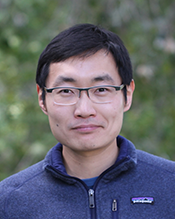
Wu Sun
Wu Sun is an assistant professor at the Odum School of Ecology. An ecosystem ecologist and climate scientist, he combines theory, observations, numerical models, and statistics to understand ecosystem carbon cycling and its feedback to the Earth system, with the goal of informing climate solutions from local to global scales. Before joining the University of Georgia, Sun was a research scientist at the Carnegie Institution’s Department of Global Ecology, where he led a NASA-funded project on Arctic-boreal carbon cycling. Having worked in ecosystems ranging from California drylands to neotropical rainforests, he is interested in exploring Georgia’s diverse ecosystems and studying how they respond to climate extremes such as heat waves and floods. Sun earned his Ph.D. in atmospheric and oceanic sciences from UCLA and his bachelor’s degree in geology from Nanjing University. He grew up in a small town in eastern China, where summers are hot and humid, much like Georgia’s. Outside of work, Sun enjoys hiking and camping in national parks and spending time with his wife and their cat.
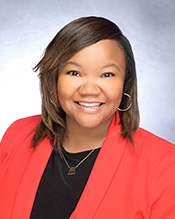
LaTonya Taylor
LaTonya Taylor is an assistant professor of public relations at the Grady College of Journalism and Mass Communication. Her research interests sit at the intersections of public relations, rhetoric, crisis communications, higher education, the public relations practitioner experience, civil rights, justice, and access. Before pursuing her doctorate, Taylor worked in higher education public relations. Originally from Illinois, she earned her Ph.D. in communication from the University of Alabama. Outside of work, Taylor spends her free time doing the bidding of her opinionated “dissertation dog,” a mini goldendoodle named Praline.
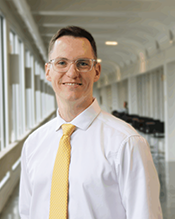
Cameron Thomas
Cameron Thomas is an assistant professor in the Department of Clinical and Administrative Pharmacy at the College of Pharmacy. His research focuses on precision medicine approaches to managing patients with cardiovascular disease. Thomas leverages pharmacogenomics to evaluate inter-patient variability in drug response and artificial intelligence to identify patients at increased risk of adverse effects. His work focuses on developing and validating models for individualizing pharmacotherapy among patients with cardiovascular disease and understanding the influence of genetics on treatment outcomes. Thomas earned a doctor of pharmacy and a Ph.D. from the University of Florida, and completed a PGY-1 clinical pharmacy residency at UF Health Jacksonville and a PGY-2 residency in clinical pharmacogenetics at St. Jude Children’s Research Hospital.

Tauras Vilgalys
Tauras Vilgalys is an assistant professor in the Department of Genetics at the Franklin College of Arts and Sciences, where he leads the Evolutionary Immunogenomics Lab. His research uses evolutionary, functional, and immunogenomic approaches to understand how immune responses to infectious diseases have evolved across species. Through this comparative lens, Vilgalys aims to identify “evolution-tested” mechanisms that could inform new treatments for disease. Before joining the University of Georgia in 2026, he completed postdoctoral training at the University of Chicago. Vilgalys earned his Ph.D. in evolutionary anthropology from Duke University. Outside the lab, he enjoys rock climbing, brewing kombucha, and tending to an ever-growing plant collection.

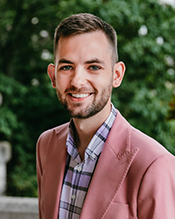
Gary Wright
Gary Wright is an assistant professor of science education at the Mary Frances Early College of Education. His research focuses on justice-oriented and gender and sexual-diversity-inclusive science education, with an emphasis on supporting science teacher learning and enactment of inclusive science teaching. Before joining the University of Georgia, Wright spent three years as a faculty member at the University of Missouri, where he taught science methods courses and worked closely with preservice and in-service science teachers. His scholarship has been recognized through several awards and fellowships, including the NARST Outstanding Doctoral Research Award and the Jhumki Basu Scholars Fellowship. A first-generation college graduate, Wright earned his Ph.D. and master’s degree in science education from North Carolina State University and his bachelor’s degree in biology with secondary science teaching licensure from the University of North Carolina Wilmington. Before entering higher education, he taught high school science for three years in rural North Carolina, an experience that continues to shape his teaching and research interests. Outside of work, Wright happily spends much of his time with his family being supervised by the pets, who run the household with remarkable efficiency.