When Jackson County began moving its departments from traditional file storage to Microsoft 365, the transition created an opportunity to do more than simply replace old technology.
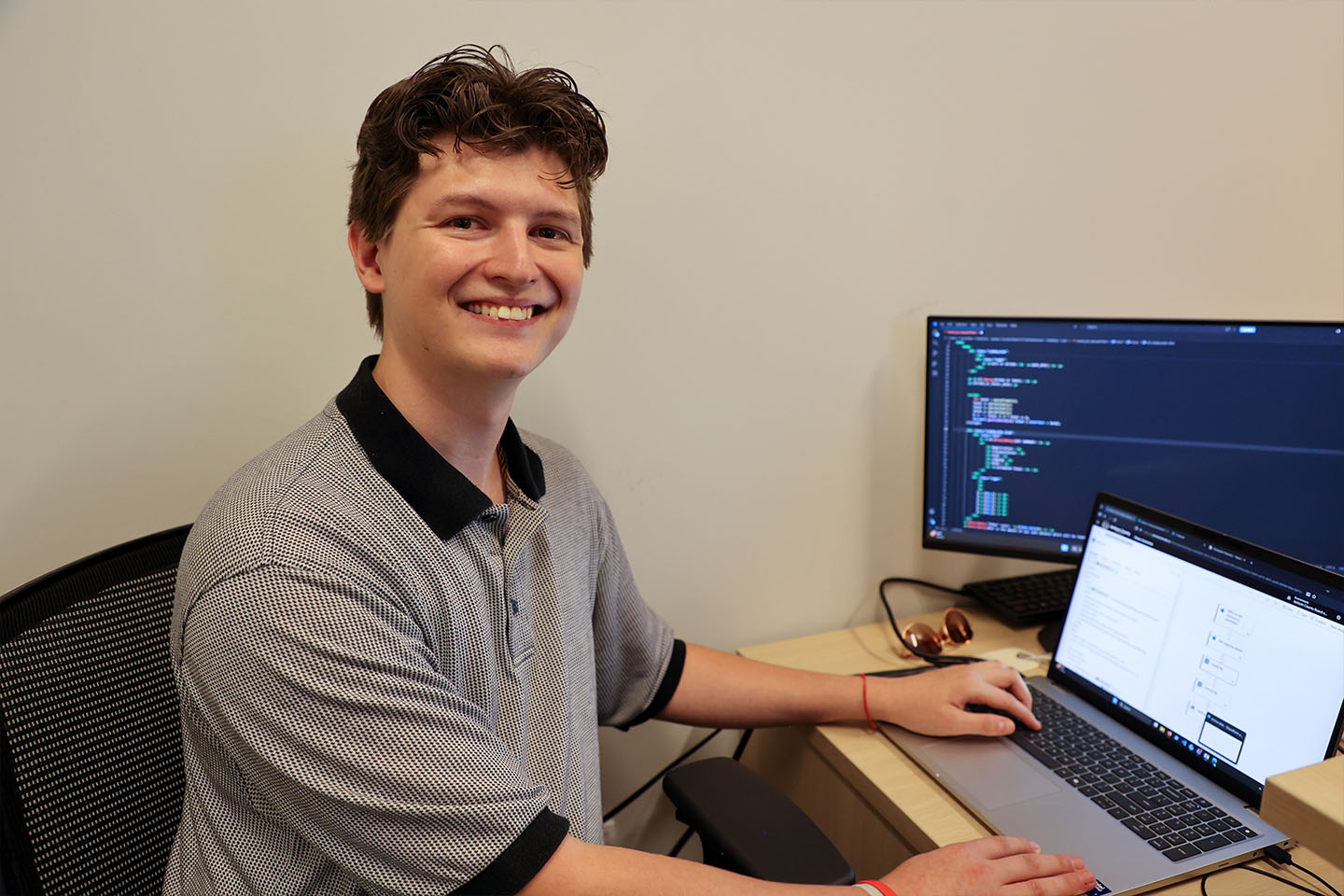
University of Georgia student Christopher Youmans helped the county put that technology to work, maximizing efficiencies and the flow of information.
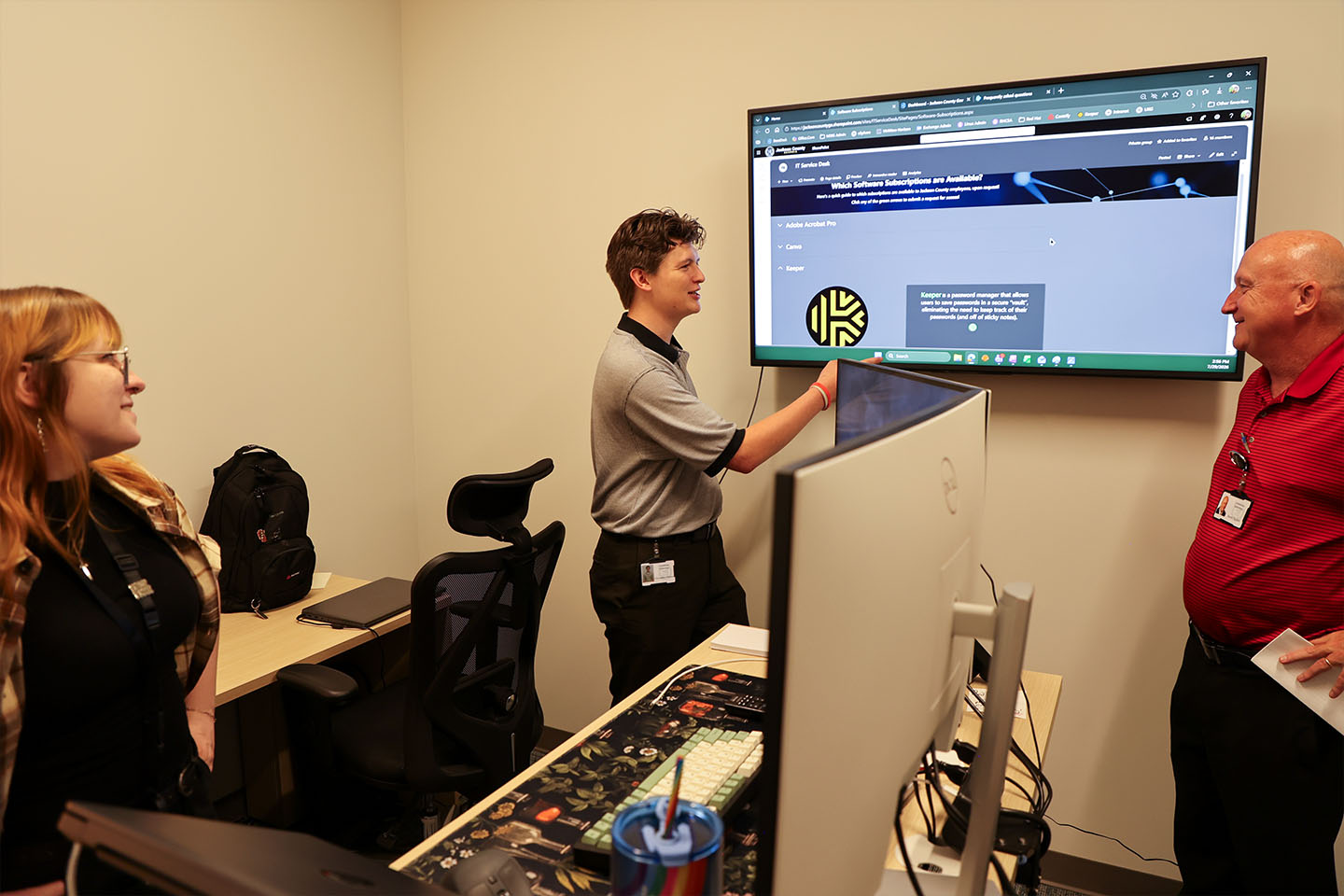
During a summer internship with Jackson County government, Youmans worked with system administrator Anna Leigh Hardigree to develop internal SharePoint sites and revamp the county’s outdated employee intranet. SharePoint is a secure, shared website where our team can store, organize, and work on files together from any device.
“Chris has been a major help in modernizing the way employees access and use information,” Hardigree said.
The summer internship wasn’t Youmans’ first opportunity to put his skills to work for Jackson County.
Just a few months earlier, Youmans, a fourth-year computer science major from Valdosta, had worked with the county as a student intern with UGA CyberArch, a program of the UGA Carl Vinson Institute of Government that gives students hands-on cybersecurity experience while helping Georgia organizations improve their cybersecurity posture and resiliency.
Jackson County IT Director Barry Puckett, who was already familiar with the Institute of Government through professional development programs, learned about CyberArch and saw an opportunity to get an outside assessment of the county’s cybersecurity.
Youmans made an impression during the CyberArch engagement through his technical ability, professionalism and ease working with county employees. When the time came to fill a summer internship, Puckett already knew what Youmans could bring to the role. Youmans applied and was hired.
Bridging the classroom and workplace
Youmans joined CyberArch during his sophomore year, initially attracted by the opportunity to earn a free Google cybersecurity certification.
“Free. That’s great,” he remembers thinking.
But he soon discovered an opportunity to use his technical skills to benefit others.
“The more that I went through it, the more I realized that I like using my technical skills, my computer background, to help people,” Youmans said. “That’s kind of what got me into it.”
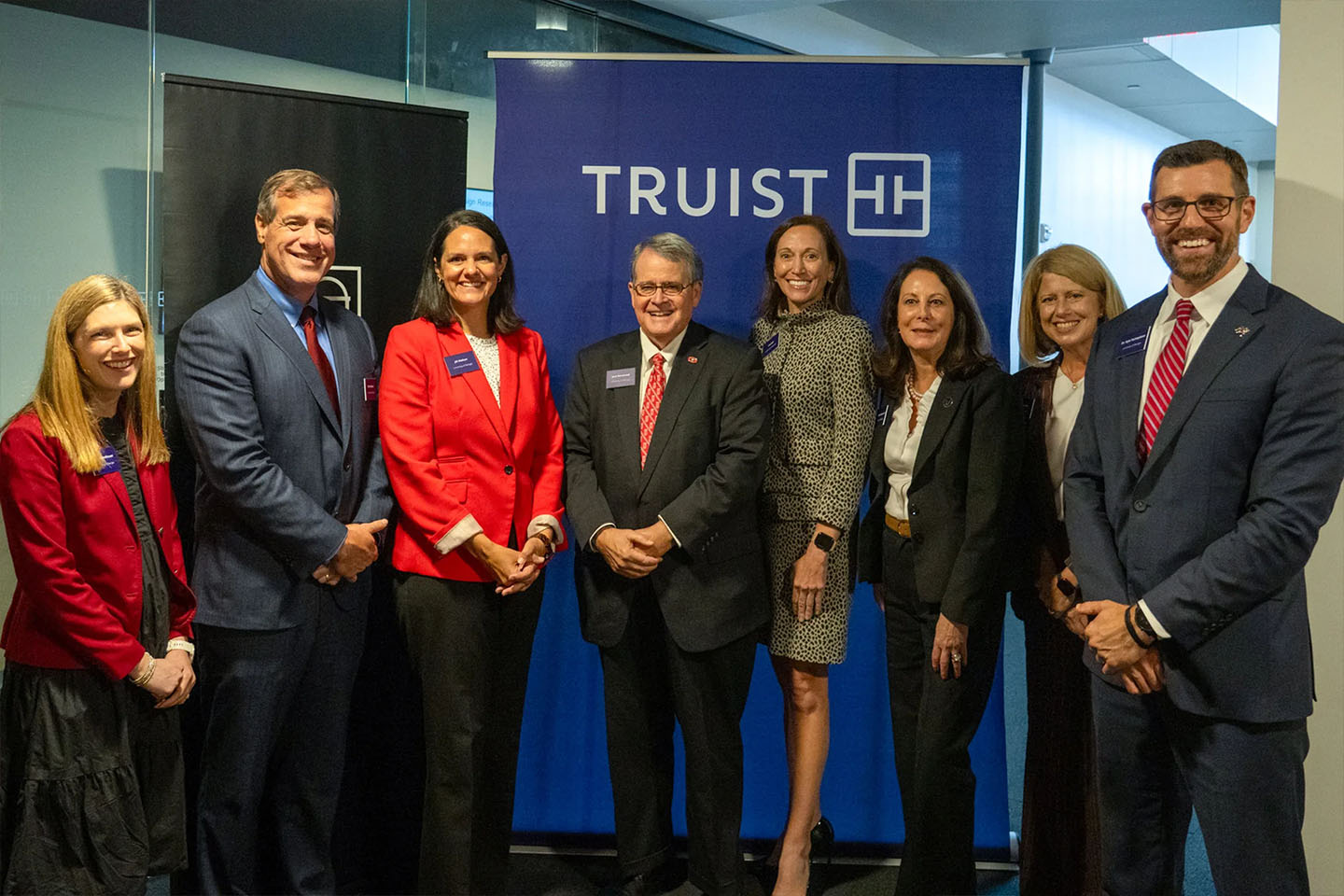
Since 2022, more than 105 UGA students have participated in CyberArch, working with more than 56 organizations in 35 Georgia counties. This critical work is made possible through the generous support of Google, Craig Newmark Philanthropies, Georgia Power and the UGA Parent Leadership Council. Together, these investments expand the intern pool, providing students with transformative experiential learning opportunities while strengthening cybersecurity resiliency across the state.
For students like Youmans, that means chances to apply what they are learning to real challenges before they enter the workforce. The experience also created an ability to research unfamiliar subjects independently—something that became valuable at Jackson County.
“Going through CyberArch, you kind of have to do your own independent research to catch up on what the industry is doing,” Youmans said. “And that helped me here.”
Real work, not busy work
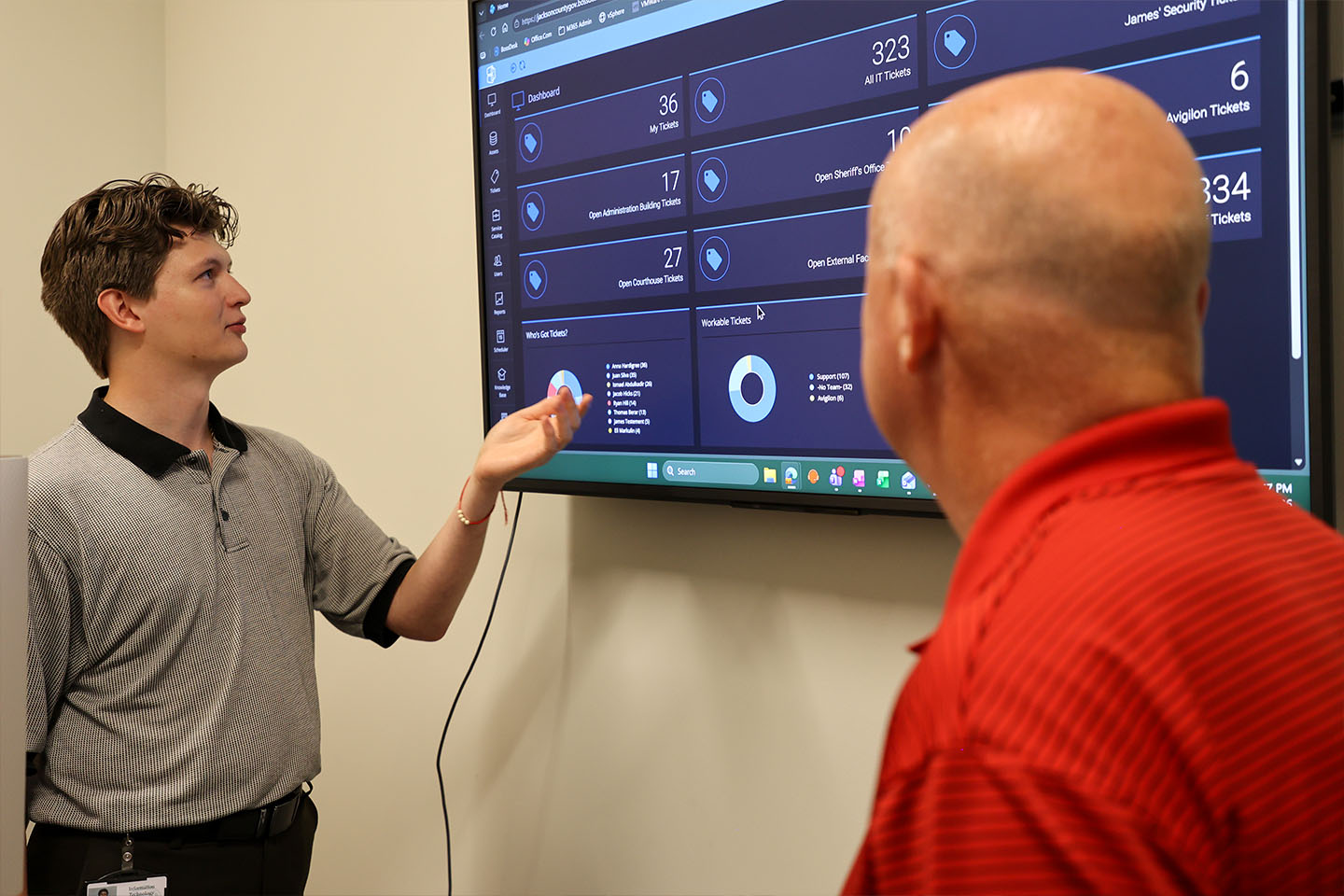
Youmans’ responsibilities extended beyond technical work. He interviewed employees, gathered business requirements and translated those needs into tools employees can use.
Recently, he helped present the county’s new SharePoint-based intranet and file management capabilities to the Sheriff’s Office. The experience required him to explain technical solutions, answer questions and demonstrate how the technology could improve county operations to senior leadership.
One of Youmans’ projects transformed the county’s Personnel Change Notice. A process that once required employees to print, complete, sign, scan and route paper forms became an automated, mobile-friendly process.
For Puckett, those assignments show the value of giving interns meaningful responsibilities that build both technical and professional skills.
“Our goal is to provide interns with much more than an opportunity to gain technical experience,” Puckett said. “We intend on developing confidence, professionalism, accountability, communication skills and an understanding of how technology supports the broader mission of an organization.”
Strengthening Georgia’s workforce
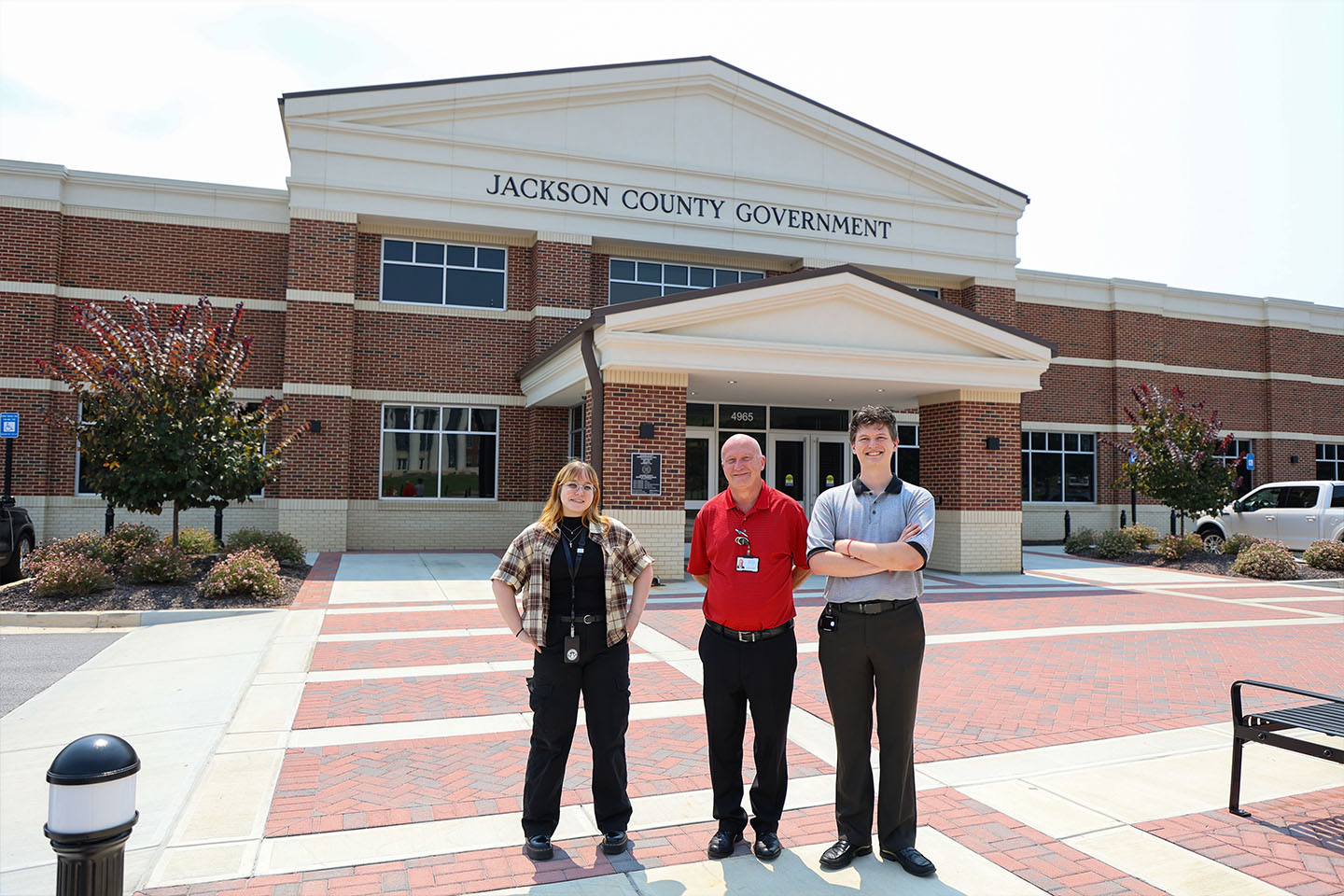
Youmans is the first CyberArch intern to turn a partner engagement into an internship with that organization, program coordinator Jeremy Daniel said. While CyberArch doesn’t expect partners to hire students, Youmans’ experience demonstrates what can grow from those connections.
According to Daniel, the program delivers a dual return on investment.
“Our student interns walk away with a greater social awareness and appreciation for how the university stewards its land-grant mission across Georgia,” he said. “The experience equips students with validated skills in analytical thinking, leadership and social responsibility that employers actively seek.
“Furthermore, they use their skills and knowledge to help improve the cybersecurity confidence and resiliency of organizations across Georgia.”
For Puckett, developing young professionals also addresses a workforce reality facing local government.
“Students like Chris are our future,” he said. “I won’t be here forever. I’ll retire and move along at some point. Somebody else will follow right in behind me.”
The experience also changed how Youmans sees his own future.
He plans to pursue a cybersecurity analyst role after graduation, but before his internship he assumed his career would take him into the private sector.
“Since I’ve been here, I’ve gotten close with the people, and I’ve seen the effect that I can have on others through my work,” Youmans said. “And I like that.”
Invest in the next generation of Georgia’s cybersecurity leaders
Stories like Christopher’s are made possible through private support. You can help expand experiential learning opportunities for UGA students while strengthening cybersecurity for communities and businesses across Georgia by making a gift to the UGA CyberArch Program Support Fund. Housed at the Carl Vinson Institute of Government, the fund directly powers CyberArch’s mission to engage students in solving real-world cybersecurity challenges statewide.