
John Reese enjoys baseball. And making movies. Combined, the two interests resulted in a top award in the 2025 Northeast Georgia National History Day Regional Contest, held at and sponsored by the University of Georgia Center for Continuing Education & Hotel.
Reese, a sixth-grade student at Hilsman Middle School in Clarke County, won the overall award for documentaries created and submitted by middle school students in the 32-county Northeast Georgia region. His entry, “Defection: Major League Baseball Human Rights Dilemma,” focused on Cuban baseball players, who cannot join Major League Baseball unless they defect from their country.
The theme for this year’s competition is “Rights and Responsibilities in History,” and project categories include exhibits, papers, documentaries, websites and performances. Much like a science fair, the history competition allows middle and high school students an opportunity to explore the human experience through research. Instead of science and technology the competition highlights the humanities, including civics, history and the arts.
The competition requires investigation and research of primary and secondary sources and forces students to consider their biases, said Laura Brewer, academic special programs manager for the Georgia Center.
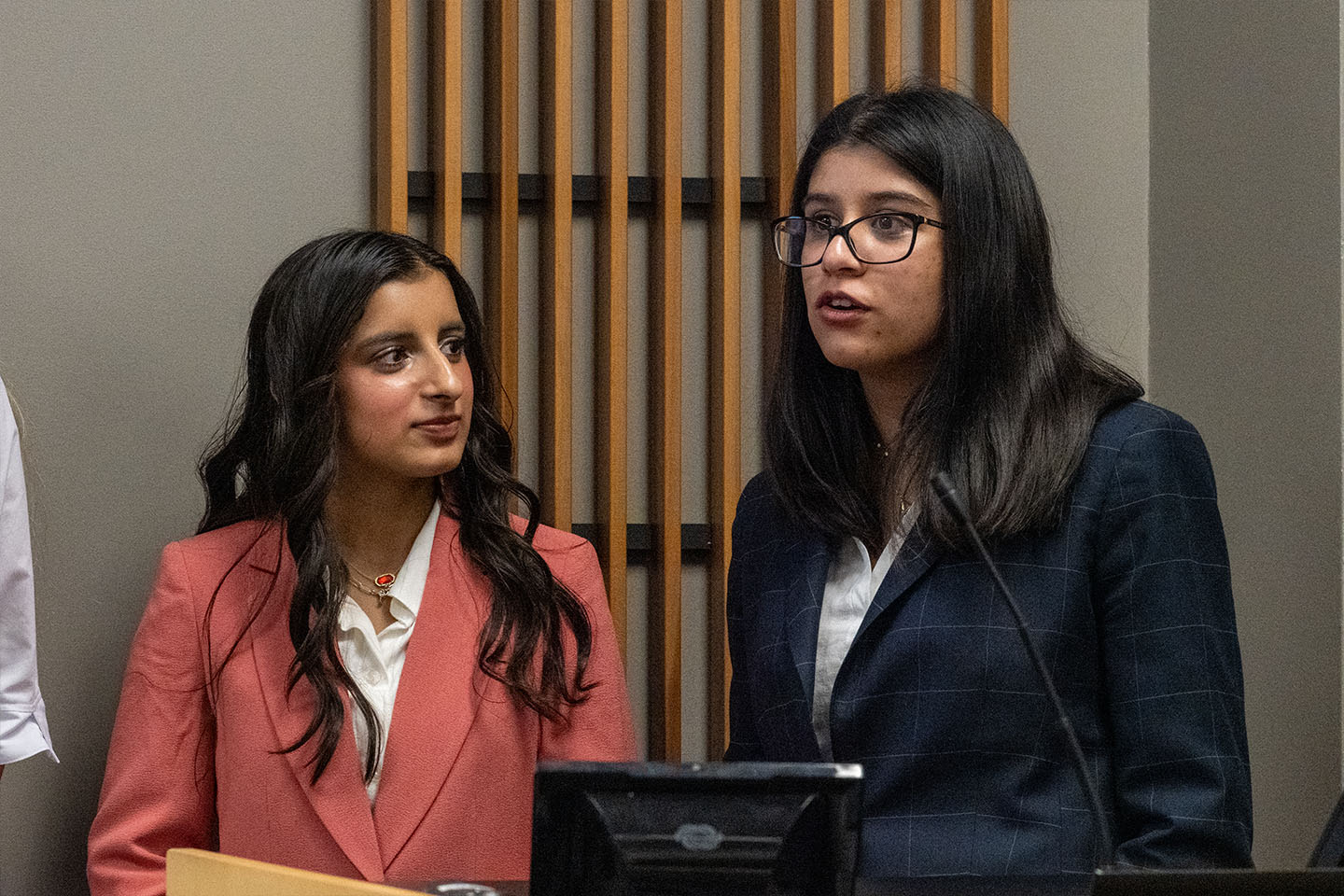
“It helps students with cultural literacy,” Brewer says. “they’re becoming responsible consumers of information. They’re bringing together different ideas, evidence, and perspectives and saying, ‘what does this mean?’”
The National History Day competition is one of many pre-collegiate and youth programs facilitated by the Georgia Center. As a unit of Public Service and Outreach, the Georgia Center advances the University of Georgia’s commitment to improving the lives of all Georgians by supporting numerous lifelong learning opportunities.
For the 12-year-old Reese, the deep dive into Cuba and American baseball took him through nearly 70 years of history, much of it grim. Following the Cuban revolution in 1958, Fidel Castro abolished professional sports in Cuba. Cuban baseball players could only play in an amateur league in their country—for far less money than they could make in Major League Baseball. To emphasize how impoverished the players were, Reese cited reports that they would take the soap from the hotels where they stayed for road games.
“It was not an easy life,” he says. In order to play in America, many defected from Cuba, often risking their lives on small, unsteady boats and rafts, and risking their freedom should they be caught in transit.
Archival photos that Reese found in his research show defectors on boats or rafts, often weighed down by too many passengers. Other photos showed Cubans standing in line near the Mexico-Texas border, waiting to pass through immigration services. Since 1960, 80 Cuban baseball players have defected to the U.S.
Finding sources was difficult with such a niche topic, Reese said, but he wasn’t dissuaded.
“I think it should be publicized so everybody can know about it,” he told the judges.
The regional competition drew a record 250 participants, at least in part because Clarke County middle schools have actively encouraged students to enter and have included time during the school day for them to research their projects. Of the 88 projects submitted by middle schoolers, 82 were produced by students from Clarke County’s four middle schools: Burney-Harris-Lyons, Clarke, Coile and Hilsman.
“It’s the first year all four (Clarke County) middle schools participated,” said Ben Smalley, social studies coordinator for the Clarke County School District. “The teachers really bought in. They do the bulk of the work.”
Smalley said he recognized some former middle school participants coming back to the competition as high schoolers, a trend he hopes continues.
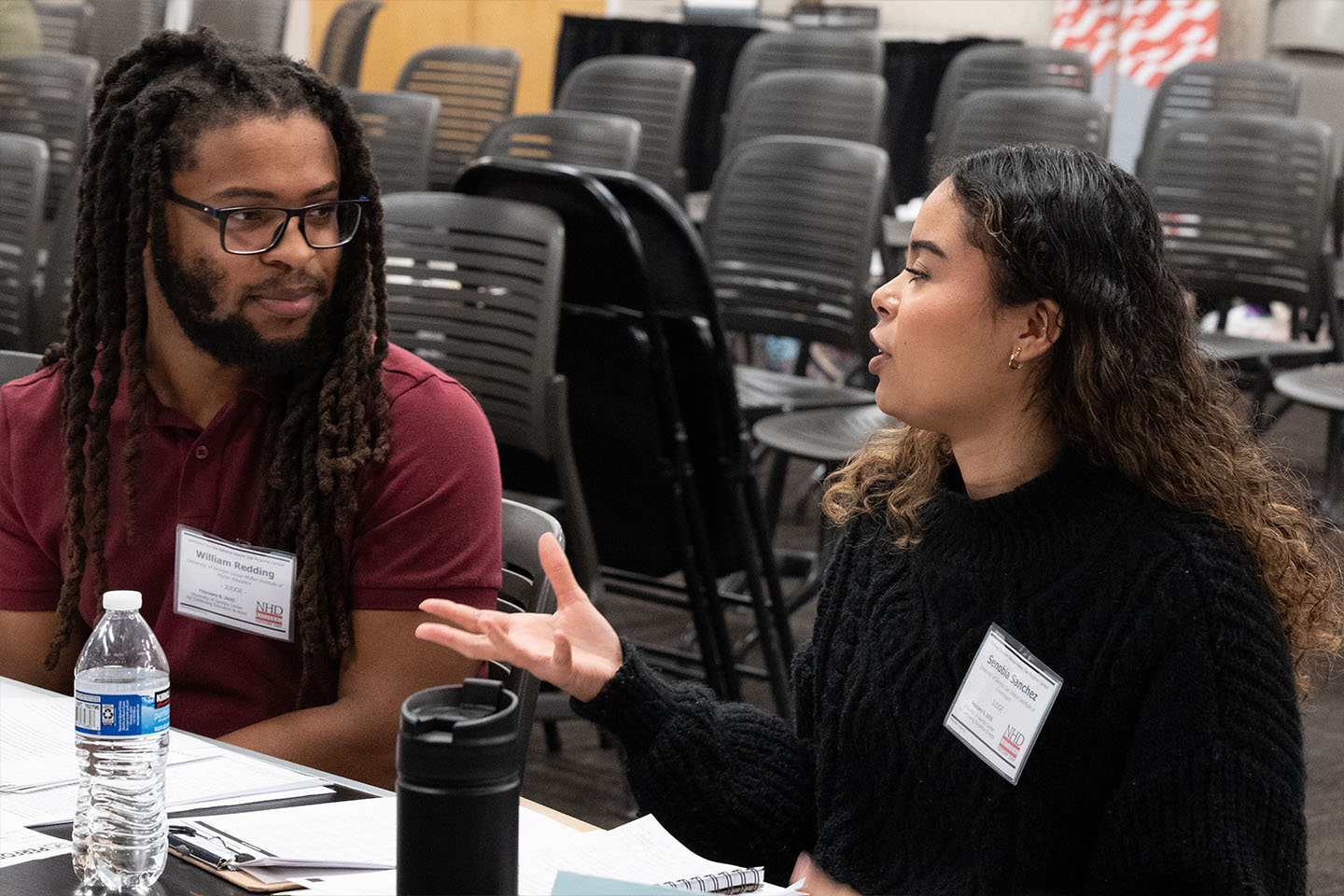
“With the middle schools getting it going, I’m hopeful it will blossom at the high schools as well,” Smalley says. “This is great experience for them.”
Winners of the regional event move on to the state competition in LaGrange in April, and winners there could go on to the national competition at the University of Maryland.
The Northeast Georgia regional competition is also supported by National History Day, a nonprofit education organization that works to improve the teaching of history throughout the U.S., the T.R.R. Cobb House, a museum and resource center in Athens dedicated to historic conservation, and Georgia Humanities, a nonprofit organization that supports the humanities.